Author of Aunt Jodie’s Guide to Evolution
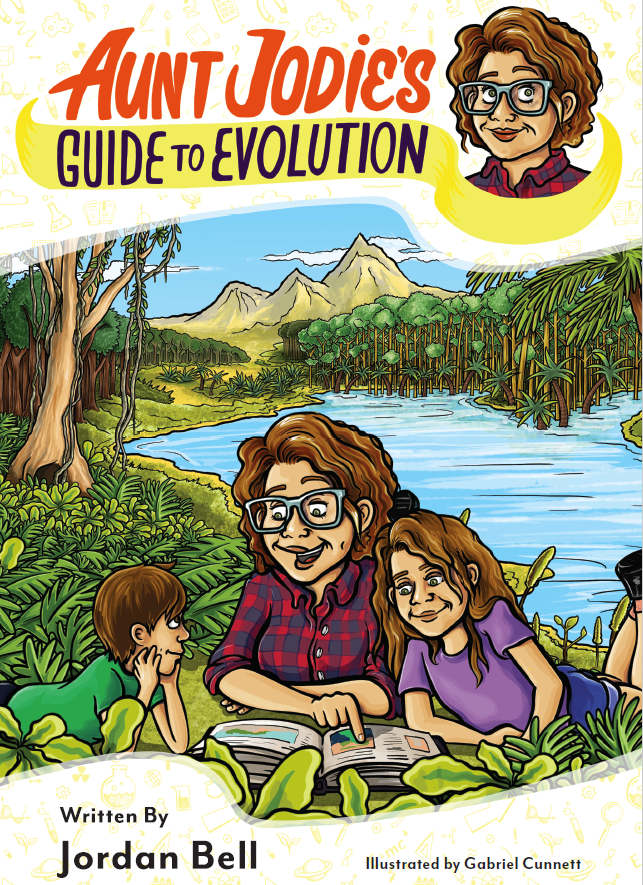
I’ve always thought encouraging children to engage and learn more about our world is very important, and today I am chatting with the Australian author of Aunt Jodie’s Guide to Evolution, Jordan Bell.
Welcome Jordan. To start us off please tell us a little about your book.
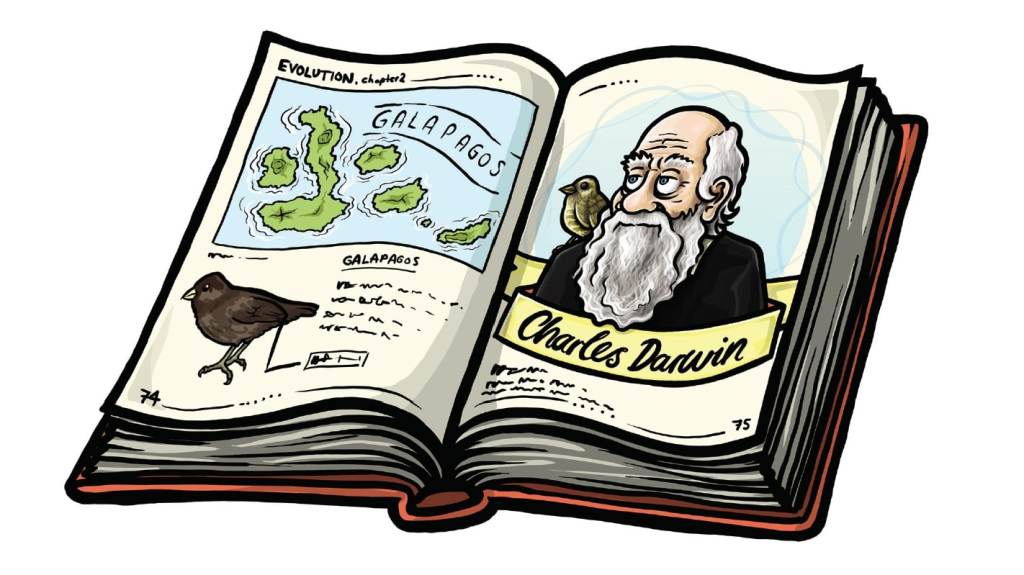
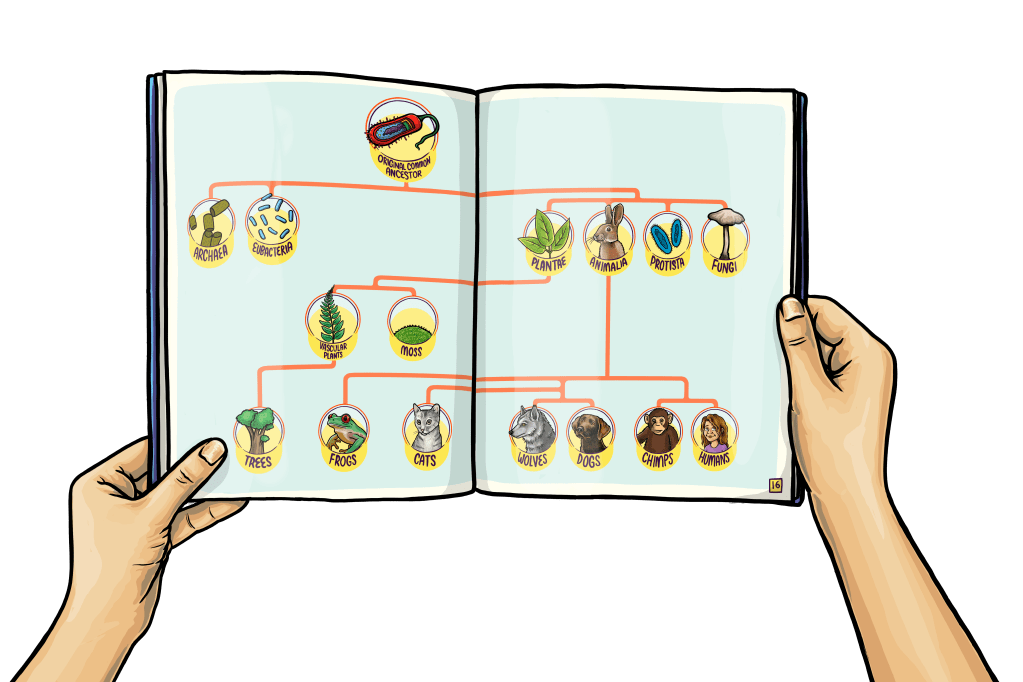
Jordan: My first published book was Aunt Jodie’s Guide to Evolution, a book which takes the real science of evolution and explains it in a way that primary school kids can understand. Fully illustrated in colour, it’s a chapter book that helps kids understand how the diversity of life, in all its glorious creativity, came to exist. Unpacking the concepts of inheritance, variation, and selection, the reader joins twins Sophie and Matt on a science adventure to understand evolution.
Helen: What made you want to write about STEM topics and for young children at that?
Jordan: I write Children’s STEM, for kids in the upper primary years – because the ideas in my books aren’t introduced by the school system until high school, but I think that’s too late! Kids are absolutely capable of understanding scientific theories if they are presented in the right way, and it’s crucial to their developing worldview that we get real science into their brains early. I deeply believe that we need a scientifically aware and well-educated citizenry to face the challenges of the future – I think my books contribute to this need.
Helen: How do you choose what to write about? Which topic are you tackling next?
Jordan: After I published Aunt Jodie’s Guide to Evolution, I asked my readers what topics they’d be interested to hear more about. Overwhelmingly, with the Australian bushfires in the news globally, they said they wanted an Aunt Jodie’s Guide to Climate Change – so that’s what I’m focussing on now. Coming up in the future will be a Guide to the human body, and a Guide to the universe.
I’m currently at the end of an initial draft of Aunt Jodie’s Guide to Climate Change. Once I finish this draft and polish it, it will be sent to a climate scientist for review, to make sure all of the scientific detail is spot on, and then I’ll look at another round of edits from feedback from beta readers.
Helen: With such specific topics, and the need to get your facts spot on, how much time to you spend on research?
Jordan: I research extensively. My general science knowledge is strong, from my undergraduate science degree and my wide-ranging reading, but to make sure I’m really getting the science correct, I read widely and deeply into the specific topic I’m tackling. Each of my books is also peer-reviewed by a leading scientist in the field to make sure there are no errors of fact. When you’re introducing big ideas to little minds, it’s a sacred trust, and I take that responsibility seriously.
Helen: I would think that is a lot of work, how do you fit it all in?
Jordan: I work full time and I have a 7-year old, so it’s a case of “making time”. I’ve recently hatched a plan with my husband to take our daughter to school two mornings a week, so I can have an hour of writing time before work on those two days. I think about my work a lot, and do some research when I have free time, but actual “fingers to keys” is just those two hours a week at the moment. It’s been very productive already though; in the last three weeks I’ve added 2000 words to the manuscript, as well as re-read everything I’ve written so far (16,000 words) and given it a light edit.
Helen: With such a busy life, I would suppose you have to plan everything to find time to write, but are you still a planner when you write? Many writers are called ‘pantsters ‘ as they write freeform.
Jordan: Definitely a planner, although my work doesn’t always follow my plans. I usually start by roughing out chapters with a short summary of what will happen in each one, eg “In the first chapter, Matt and Sophie are on a fieldwork weekend with Aunt Jodie; she has taken them out camping while she assists in sample collection with Dr T. Sophie and Matt are curious about the purpose of the work, and so around the campfire at night, Aunt Jodie and Dr T explain the key components of climate change science to the twins.” But often, a piece of work that I think I can manage in a chapter ends up taking two or more chapters to explain, as I’ve underestimated how much there is to say!
Helen: I can imagine! I bet you had fun choosing your cover design, such a myriad of possibilities.
Jordan: My illustrator, Gabriel Cunnett (https://gabrielcunnettillustration.com/) came up with the concept – the three main characters reading together, but transported to a pre-historic setting, as they used their imaginations to “travel” in time. I loved the job he did in bringing the characters to life in such a vibrant way.
Helen: I agree, I think most children would be drawn to your book. One final question, do you have any advice for other aspiring writer’s out there?
Jordan: It’s practically a cliché, but, “write a lot, and read a lot”. Read widely – both within your genre and outside it, you never know when new ideas and inspiration might hit. And show other people your writing, and be open to their feedback – it’s painful and scary but can push you to grow and develop. What’s in your head doesn’t always make it to the page, so having a trusted second pair of eyes on your work can help you round out what needs to be explained.
I also often listen to a meditation before writing, I like this one that helps you unlock your creativity: https://m.youtube.com/watch?v=AcQ86xP5PNw but there are lots of others out there. I think getting centred and calm helps me focus on the work in front of me and not get too distracted by everything else that is happening in my life.
Helen: Thank you so much, Jordan, for spending time with us today. We wish you all the best with your book: Aunt Jodie’s Guide to Climate Change. You can find out more about Jordan and where you can purchase her book here.

Jordan is a psychologist and educator, with a passion for science communication. She has a PhD in Educational Resilience, but is also a nerdy parent who loves reading to her daughter. When she couldn’t find enough children’s fiction with a strong STEM message to help her daughter learn about the world, she wrote Aunt Jodie’s Guide to Evolution. She believes that understanding the theory of evolution is an important key to scientific literacy for our developing citizens. Jordan prefers writing in her local café with a pot of strong tea, so the COVID19 lockdown was a challenge, but she’s adapted her writing routines for the moment. She loves reading science fiction and long walks in nature. Jordan is currently working on her second book, Aunt Jodie’s Guide to Climate Change. Follow her at www.auntjodiesguide.com or https://www.facebook.com/AuntJodiesGuides/ for more information or for cool science links. She’s also on Twitter @AuntJodiesGuide

 Helen Garraway