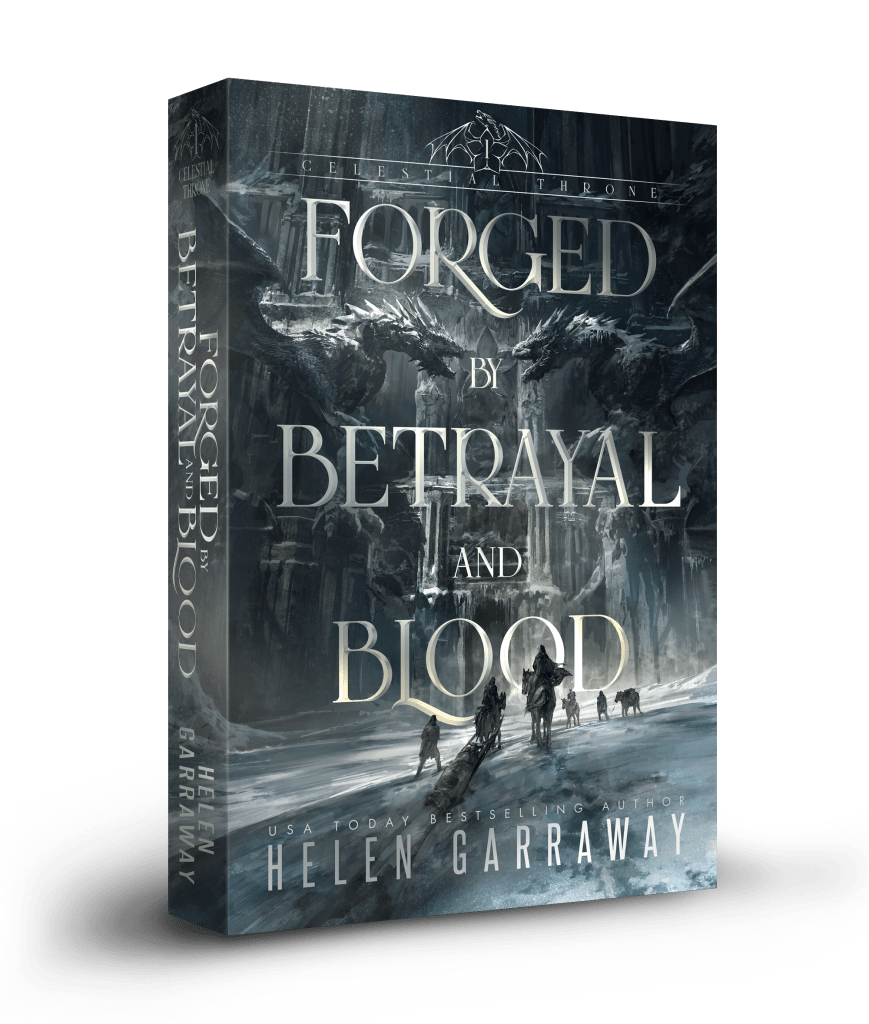
I am so thrilled to announce that Forged By Betrayal and Blood, the first book in the dark epic fantasy Celestial Throne Series won a SILVER MEDAL in the 2026 Global Book Awards.
If you are looking for a gritty, dark fantasy with themes of betrayal and how that shapes you, then join Vael and Disari on their journey to overcome every obstacle put in their way. Is it worth forgiving the one man who destroyed your life to save the world. Would you?
The 2026 Global Book Awards for Self-Published Authors.
The Global Awards aim to discover new talent as well as recognize fine examples of self-published books. As such, we hope they will give self-published authors the recognition they deserve, whether that is in their writing creativity, or in the way they have marketed their books to attract new readers.
In this modern age of self-publishing, books need to be appraised not only by their content and writing style, but also by the way they present and market themselves to the prospective buyer, whether that is in the good ratings it has on important stores like Amazon, its book cover and description, or the number of reviews it has collected. They must also appeal to new readers so part of the evaluation included a survey asking avid readers to select the top 5 books they enjoyed the most.
The awards are grouped by category (or genre) and divided into Gold, Silver, Bronze, and Award Finalists.
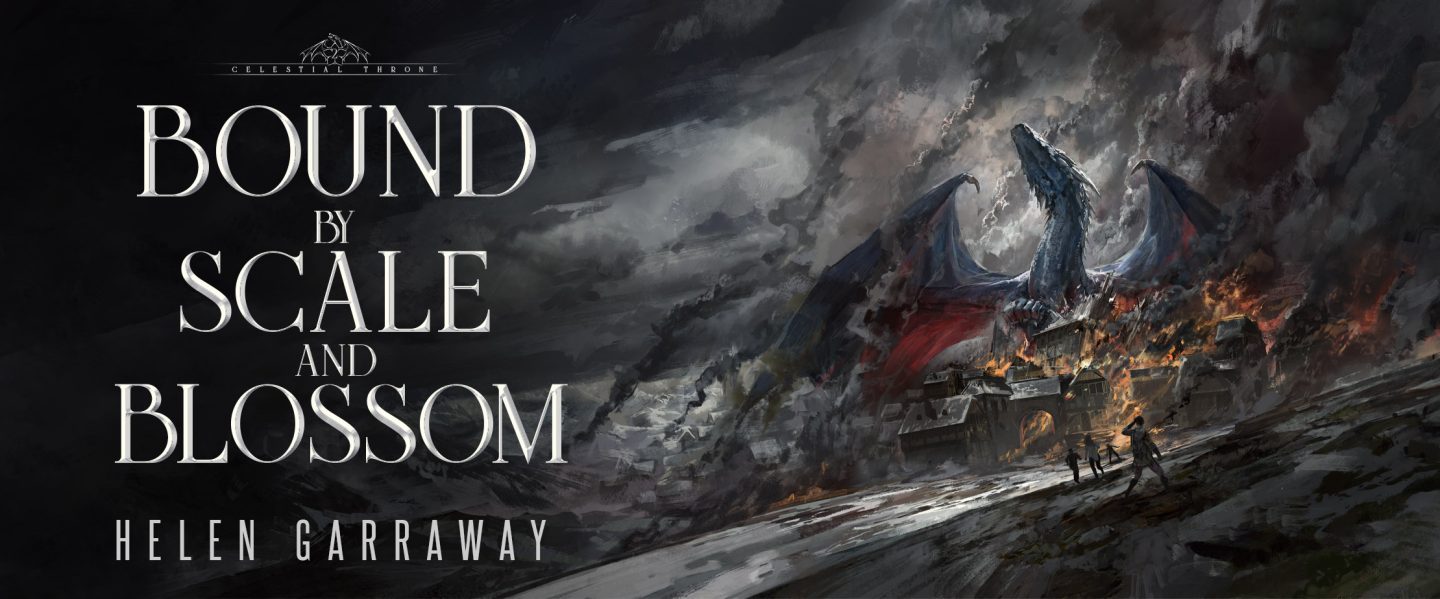
Vael Tor Arne, commonly known as the Butcher of Leif, has spent the last ten years roaming the wilds of Surosha. Disgraced and outcast, he is not welcome anywhere, not even in his own home.
Never managing to rise above the rank of lieutenant in the Emperor’s army, Vael does his best to protect his men against the taint that follows him. Should the opportunity ever arise, he would gladly kill Emperor Talon Shaleri the Deranged, the man who ruined his life.
The Celestial Throne lacks its dragon, its protector, and the empire is suffering as the new emperor struggles to retain control. The emperor is weak, in power and in health. He needs to right a wrong, now he has the power to do so, before he can focus on saving his empire. But righting that wrong may not be so simple, and the man he needs to forgive him is the one man who hates him.
Dogged by persistent Farsolian warriors, who can’t decide if they want to capture or kill them, Vael and his men battle to survive. With no hope of help, Vael must avoid the war bands and the emperor’s generals long enough to choose a side. Will the Farsolian uprising be his salvation or will the Emperor finally sign his death warrant?
If you enjoy fantasy books then you will love my epic fantasy Sentinal series or the Romantic Fantasy SoulMist series. As a new threat against Remargaren is discovered, only one man can wake the ancient guards who can protect them, only he doesn’t know how. Start the adventure and stay for the journey. Sign up to my newsletter and download a free novella called Sentinals Stirring and get notified when my next books are published.
By clicking the sign up button above, you agree to share your email address with the site owner and the newsletter platform provider to receive marketing, updates, and other emails from the site owner. Use the unsubscribe link in those emails to opt out at any time.
By signing up to my newsletter, you agree to receive commercial information from Helen Garraway, located at 61 Bridge St, Kingston, Hertfordshire, UK (Data Administrator). You can withdraw your consent at any time. The data will be processed until the consent is withdrawn.
I am so thrilled to announce that Forged By Betrayal and Blood, the first book in the dark epic fantasy Celestial Throne Series is a finalist in the 2026 Global Book Awards.
The 2026 Global Book Awards for Self-Published Authors.
The Global Awards aim to discover new talent as well as recognize fine examples of self-published books. As such, we hope they will give self-published authors the recognition they deserve, whether that is in their writing creativity, or in the way they have marketed their books to attract new readers.
In this modern age of self-publishing, books need to be appraised not only by their content and writing style, but also by the way they present and market themselves to the prospective buyer, whether that is in the good ratings it has on important stores like Amazon, its book cover and description, or the number of reviews it has collected. They must also appeal to new readers so part of the evaluation included a survey asking avid readers to select the top 5 books they enjoyed the most.
The awards are grouped by category (or genre) and divided into Gold, Silver, Bronze, and Award Finalists.
Vael Tor Arne, commonly known as the Butcher of Leif, has spent the last ten years roaming the wilds of Surosha. Disgraced and outcast, he is not welcome anywhere, not even in his own home.
Never managing to rise above the rank of lieutenant in the Emperor’s army, Vael does his best to protect his men against the taint that follows him. Should the opportunity ever arise, he would gladly kill Emperor Talon Shaleri the Deranged, the man who ruined his life.
The Celestial Throne lacks its dragon, its protector, and the empire is suffering as the new emperor struggles to retain control. The emperor is weak, in power and in health. He needs to right a wrong, now he has the power to do so, before he can focus on saving his empire. But righting that wrong may not be so simple, and the man he needs to forgive him is the one man who hates him.
Dogged by persistent Farsolian warriors, who can’t decide if they want to capture or kill them, Vael and his men battle to survive. With no hope of help, Vael must avoid the war bands and the emperor’s generals long enough to choose a side. Will the Farsolian uprising be his salvation or will the Emperor finally sign his death warrant?
If you enjoy fantasy books then you will love my epic fantasy Sentinal series or the Romantic Fantasy SoulMist series. As a new threat against Remargaren is discovered, only one man can wake the ancient guards who can protect them, only he doesn’t know how. Start the adventure and stay for the journey. Sign up to my newsletter and download a free novella called Sentinals Stirring and get notified when my next books are published.
By clicking the sign up button above, you agree to share your email address with the site owner and the newsletter platform provider to receive marketing, updates, and other emails from the site owner. Use the unsubscribe link in those emails to opt out at any time.
By signing up to my newsletter, you agree to receive commercial information from Helen Garraway, located at 61 Bridge St, Kingston, Hertfordshire, UK (Data Administrator). You can withdraw your consent at any time. The data will be processed until the consent is withdrawn.
It’s time to meet Fantasy author, Mark Piggott. I’m excited to talk to Mark about his latest book which is currently on preorder.
Helen: Welcome, Mark. Thank you for joining me today. I am so excited to chat about your new book.
Mark: My latest release is a dark fantasy called A MAKER OF MAGIC. A world divided by light and darkness. In the north, Engressia is a lush, fertile land filled with life. In the south, the Ebon Abyss is a dead zone filled with unimaginable horrors shrouded in total darkness. The only separation between the two is a stretch of land known as the Twilight Crossing. Here, a battle between the living and the dead has been going on for centuries. As forces within Engressia conspire with the Blood Countess to bring down the kingdom from within, a prophecy with the means to end the war comes to pass. From within the heart of Engressia, a destined duo are born, united to lead the fight against the undead horde: the Blademancer and the Enchanter.
Helen: This is quite a different style to your Avalon covers, how did you come up with the cover design?
Mark : The cover shows my love for anime style of art and to focus on the two main characters, the Blademancer and the Enchanter. I thought an anime style of art would fit the story and the styling of the characters. The blood moon represents the undead horde of the Ebon Abyss.
Helen: I like the mix of anime and dark fantasy, though it does have a DnD feel to it as well. What made you write this particular book?
Mark: My father passed away on Christmas Eve of 2023. In the months that followed, I spent every other week in my parents house, taking care of my mother and making necessary arrangements while teleworking my regular job. At night, while I sat in that empty house, I think the combination of grief and the sheer emptiness brought this story to life. I wrote it in the three months I was traveling back and forth. I never wrote horror before but I was a big fan of the classic movie monsters as a kid. I think being back in my old home brought those old feelings to surface. I wrote a strong father and mother in the story to emulate my parents. It was a difficult story to write but I needed to do it.
Helen: I found writing to be cathartic as well after such a loss. You typically write Steampunk but you also have a love of fantasy, don’t you?
Mark: I write both fantasy and steampunk. Fantasy has always been a passion of mine. I played D&D in my youth and my early days as a Navy Sailor. It helped to pass the time on long deployments. I also think the world building and character creation helped me in creating the many worlds found within my books. I also write steampunk because of my love for Jules Verne and H.G. Wells. I’ve always loved seeing modern technology in Victorian times and now I have a chance to create my own stories. I love history and being able to combine historical characters with my own in a steampunk historical fiction is fun to write.
Helen: You were obviously in training to be a writer while you were in the Navy! Who is your favourite character from your book?
Mark: I honestly have to say its Duke Jurgen Richter, the Duke of Stormwind and father of Levi Richter, the Enchanter. I emulated my own father in him, a strong military man whose love and devotion for family and country exceeded all. My father was a 22-year veteran of the Marine Corps who did two tours in Vietnam. He inspired me to my own military career in the Navy. I owe everything to my father and I hoped I instilled some of that into Jurgen and how he raised Levi to be the man he became in my story.
Helen: That is such a wonderful tribute to your father. Thank you so much for joining me today. I wish you all the best with your new release. Just to finish, what is the best thing that has happened to you since you began writing?
Mark: Talking with young readers who want to be writers is the best thing imaginable. Knowing that my journey as an author and my stories inspired them is the best feeling in the world. I get to talk to these future authors and help them on their journey is an amazing feeling.
About the Author – Mark Piggott
A native of Phillipsburg, N.J., Mark Piggott enlisted in the U.S. Navy in 1982, beginning a 23-year career. He served on four aircraft carriers and various duty stations as a Navy Journalist before he attained the rank of Chief Petty Officer. He retired from active duty in 2006. He currently works as a writer-editor for the Department of Housing and Urban Development. Mark and his wife, Georgiene, live in Alexandria, Virginia. They have three children.
His first novel, Forever Avalon, was published in 2009. Since then, he has independently published over ten fantasy and steampunk novels, both self-published and through the small press publisher, Curious Corvid Publishing of Geneva, Ohio. Over the years, Mark has won several book awards for his flights of fantasy, including the 2022 AMG Indie Book Awards Grand Prize for Fiction (for The Last Magus: A Clockwork Heart), 2024 finalist for the Golden Wizard Children’s Book of the Year and Canadian Book Club Awards (Gwen Iver and Pendragon’s Puzzle), 2025 NYC Big Book Award and Literary Titan Book Award (Corsair and the Sky Pirates), and The BookFest Book Awards, First Place for Fantasy—Magic, Myths, and Legends (The Last Magus: Dragonfire & Steel).
As an Amazon Associate I may benefit from purchases made using these links.
If you enjoy epic fantasy then check out my award winning Sentinal series, which is now complete. If you like fantasy books with a touch of romance then you will love my SoulMist series, start with SoulBreather. Prefer Dystopian Science Fantasy? Then try Harmony. Start the adventure and stay for the journey.
Sign up to my newsletter and download a free novella called Sentinals Stirring and get notified when my next books are published.
By clicking the sign up button above, you agree to share your email address with the site owner and the newsletter platform provider to receive marketing, updates, and other emails from the site owner. Use the unsubscribe link in those emails to opt out at any time.
By signing up to my newsletter, you agree to receive commercial information from Helen Garraway, located at 61 Bridge St, Kingston, Hertfordshire, UK (Data Administrator). You can withdraw your consent at any time. The data will be processed until the consent is withdrawn.
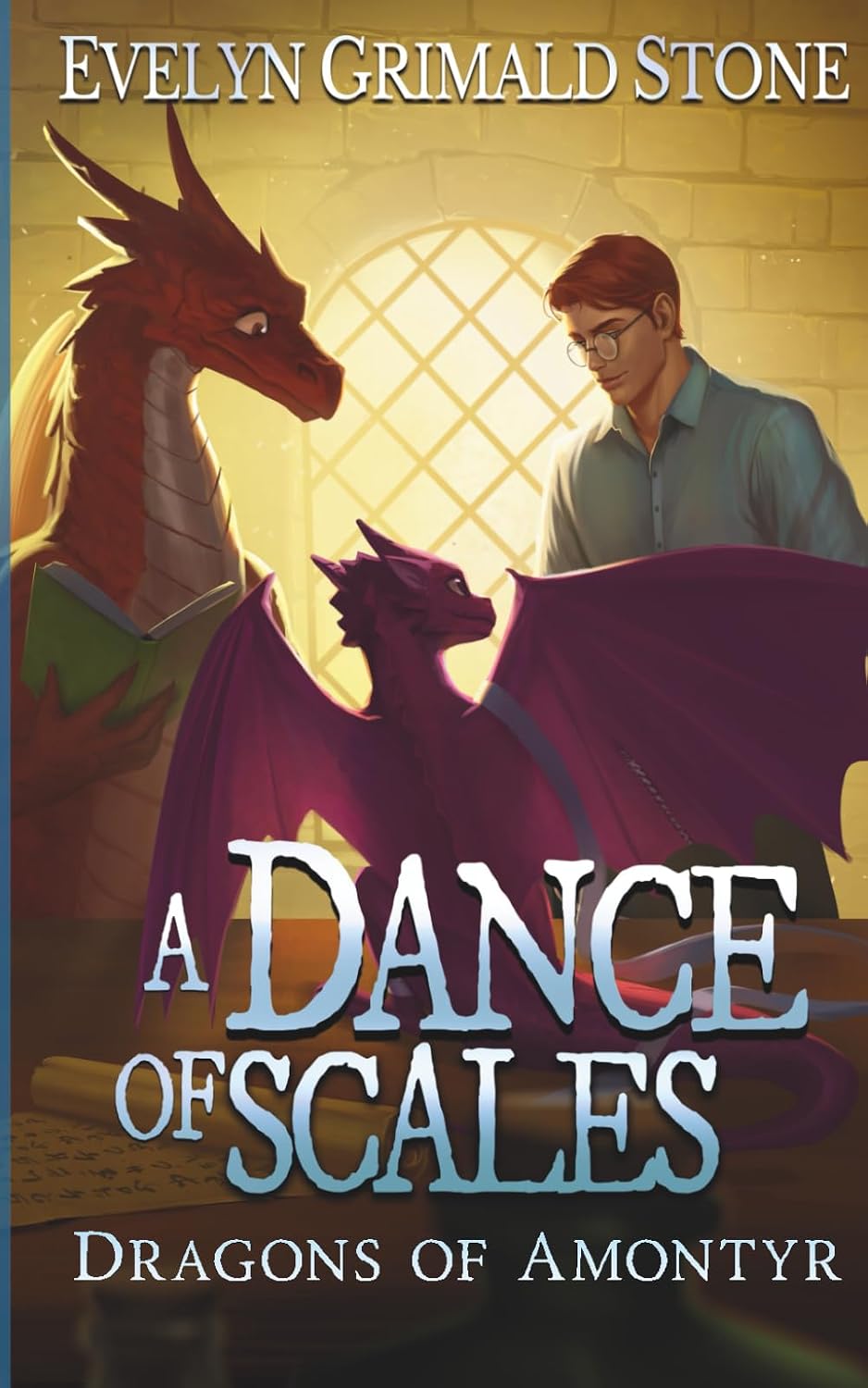
Reviewed: July 26th, 2026 Released: November 4th, 2025 Genre: Cozy Fantasy
Doctor Ross Rose has trained and worked for years to be the best human doctor to dragonkind that he can be. Now he’s leaving behind the comforts of the city and its society for the backwoods town of Vale’s Keep to be the dragon doctor to its winged residents. But Ross isn’t used to the ways of country life and is pretty sure he doesn’t fit in.
After taking on a crippled dragon to be his assistant, developing a distinct fondness for his housekeeper, Cecily, and running afoul of the most influential people in town when he accuses them of neglecting their dragons, Ross knows he’s in trouble. Everything gets worse when his genius sister runs away from his parents and ends up on his doorstep. He must navigate these new challenges and stand his ground against all those who want him out of the way.
Because Ross didn’t just come to Vale’s Keep to help dragons. He came here to find a magical flower that might just save his sister’s life. And he’s not going to give up that easily.
A Dance of Scales is the next book in the Dragons of Amontyr cozy standalone series. It features found family, standing up for what’s right, and, of course, dragons as far as the eye can see. This series can be read in any order.
Reviewed: July 26th, 2026 Released: May13th, 2025 Genre: Cozy Fantasy
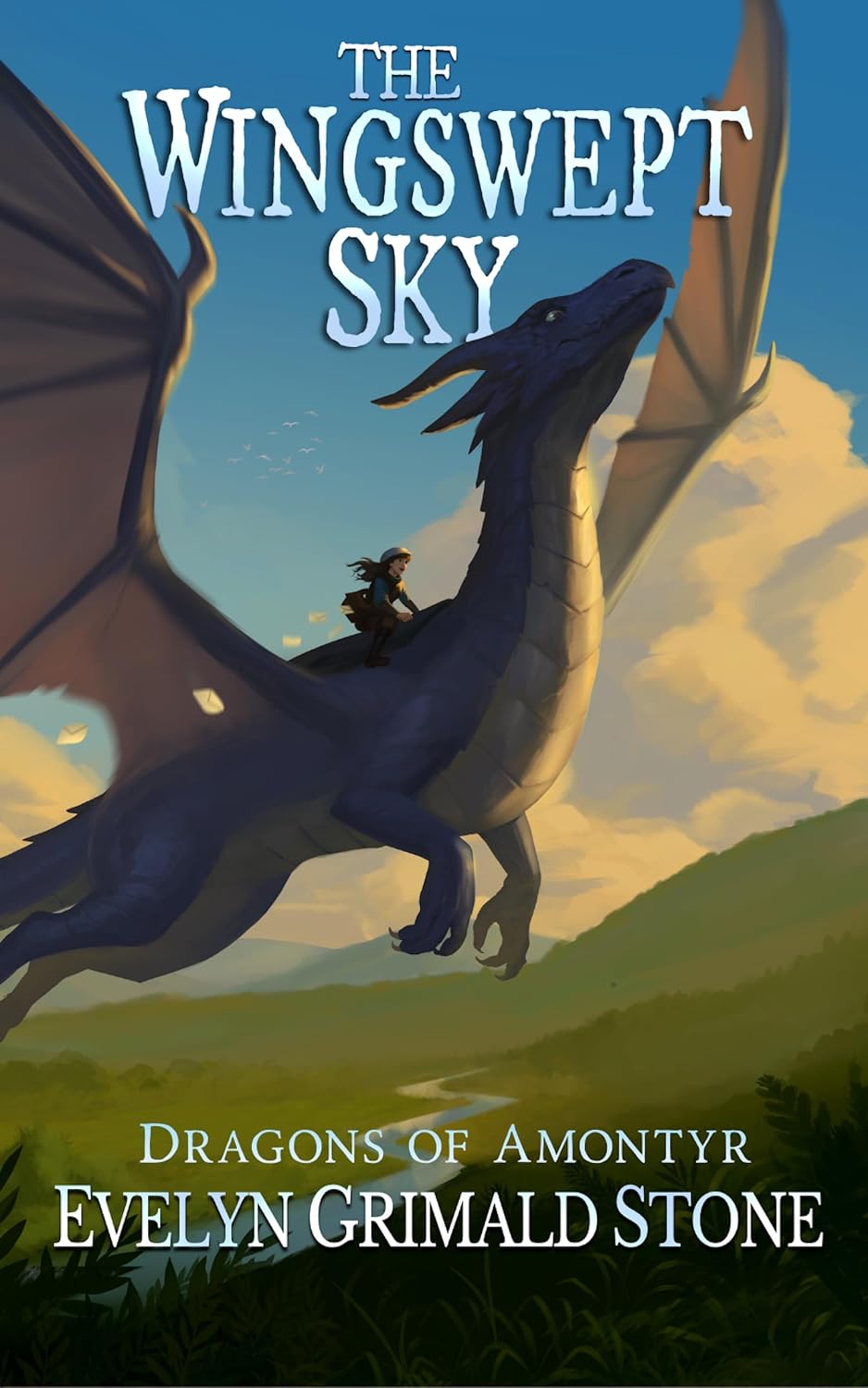
Kayleigh Espinosa wanted nothing so much as to be a courier, running messages through the streets of her home, tracing her maps with her own two feet. But on her first day, her hopes are dashed when the Courier Guild’s newest transport dragon chooses her to be his rider. Only, Zapyros isn’t the usual transport dragon. He’s a wardancer, bred for combat and transferred into the Guild after losing his last rider. Now, Kayleigh must figure out what it means for to be a courier and a dragon rider.
When her training master takes a particular dislike to both Kayleigh and Zapyros, she takes matters into her own hands to be the best courier the Guild has ever seen. Facing dangerous flocks of dragons and lightning-filled storms, being a courier is more perilous than she thought. With new friends and a dragon at her side, Kayleigh takes to the skies in the Great Race, the Guild’s most anticipated competition. And she intends to win.
The Wingswept Sky is the first book in the Dragons of Amontyr cozy fantasy series. It features a neurodivergent main character, found family, and of course, dragons delivering the post.
It’s time to meet Epic Fantasy author, Rebecca Harding,
Helen: Welcome to my blog, Rebecca. I’m very excited to chat to you about your book The Element of Gold which released in January of this year. Tell us a little about your book.
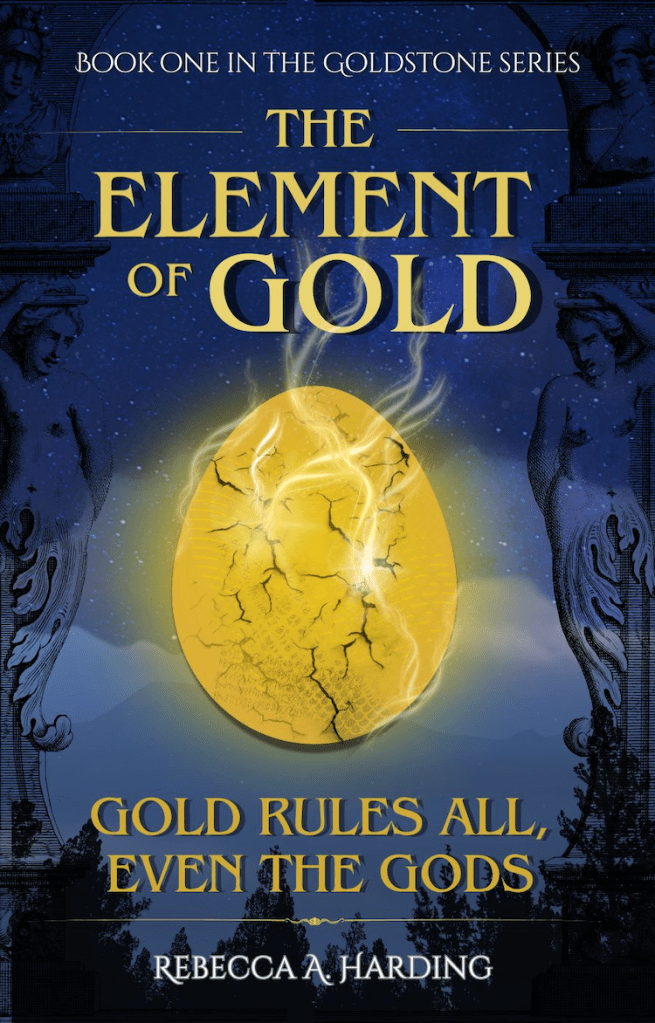
Rebecca: My current book is called The Element of Gold which is book 1 in the Goldstone series. It’s an epic fantasy about the quest for gold and what people are willing to sacrifice for power and wealth. However, it’s ultimately about finding our inner power and magic that exists within all of us – we all have an innate power to heal, grow and be conscious of the amazing life that we all are. The Element of Gold was inspired by The Lord of the Rings, A Game of Thrones, and there are also some elements of Gulliver’s Travels that appear in some chapters as well, so it’s a blend of epic fantasy with some extraordinary, whimsical moments that keep things interesting!
Helen: And your cover? Navy and gold go so well together. What were your thoughts behind the design?
Rebecca: I knew early on that I wanted the cover to be simple and that the Golden Egg would be the focus of the cover. I suppose the Golden Egg is sort of the main character — although there are multiple characters all with their own POVs, all the events unfold around the Golden Egg. So I wanted the Golden Egg to be the star of the cover!
Helen: Writing can be a bit addictive, I know I’m always plotting new stories. What are you currently working on?
Rebecca: My current WIP is the next book in the Goldstone series, so please keep a look out for its release probably sometime next year (although as writers, we know that the release date is often a large dose of wishful thinking!)
Helen: Best laid plans and all that! At least being Independently published we can set our own deadlines. I know this is a difficult question, but who is the favourite character you have written?
Rebecca: My favourite — don’t tell my other characters because they’ll probably give me insufferable writer’s block for the next book — but it’s probably Kyra.
Helen: So if your main character could tell us why to read your book, what would they say?
Rebecca: It’s hard to pinpoint a ‘main’ character in The Element of Gold, as I enjoyed creating several characters with their own spirits and journeys, but Kyra would say ‘read this book if you’re on a journey of reclaiming your power – in whatever way that looks like to you, this book will remind you about your incredible strength!’
Helen: Thank you so much for spending time with me today. I wish you all the best with your books. Just to finish, what is the most useful piece of writing advice you’ve received that you would share with other writers?
Rebecca: However you need to write your book — if that means writing at 2am, writing in a notebook, or writing upside down while riding a bicycle! — it doesn’t matter, just write the book! Put your perfectionist mind to the side and just allow the creativity to flow without judging it. The critic can return later when it’s time to edit, but don’t allow it to stop you from finishing your book — because it’s not just words on a page, it’s your voice and your unique journey.
About the Author – Rebecca Harding
Rebecca Harding is a fantasy author whose writing blends a deep love for the natural world with ancient philosophy and rich spirituality. Born in Hertfordshire, England, she spent her formative years exploring local woodlands and questioning the mysteries of existence — passions that naturally wove themselves into her storytelling.
Her debut novel, The Element of Gold, marks the beginning of her journey as a world-builder, exploring complex themes of inner power, elemental forces, and the unseen threads that connect all living things. When she isn’t writing or getting lost in philosophical debates, Rebecca can usually be found hiking, meditating, or looking for magic in the everyday.
As an Amazon Associate I may benefit from purchases made using these links.
If you enjoy epic fantasy then check out my award winning Sentinal series, which is now complete. If you like fantasy books with a touch of romance then you will love my SoulMist series, start with SoulBreather. Prefer Dystopian Science Fantasy? Then try Harmony. Start the adventure and stay for the journey.
Sign up to my newsletter and download a free novella called Sentinals Stirring and get notified when my next books are published.
By clicking the sign up button above, you agree to share your email address with the site owner and the newsletter platform provider to receive marketing, updates, and other emails from the site owner. Use the unsubscribe link in those emails to opt out at any time.
By signing up to my newsletter, you agree to receive commercial information from Helen Garraway, located at 61 Bridge St, Kingston, Hertfordshire, UK (Data Administrator). You can withdraw your consent at any time. The data will be processed until the consent is withdrawn.
Reviewed: July 3rd, 2026 Released: April 11th, 2026 Genre: Cozy Fantasy
Sometimes, the world doesn’t need a hero. Sometimes it needs a caretaker.
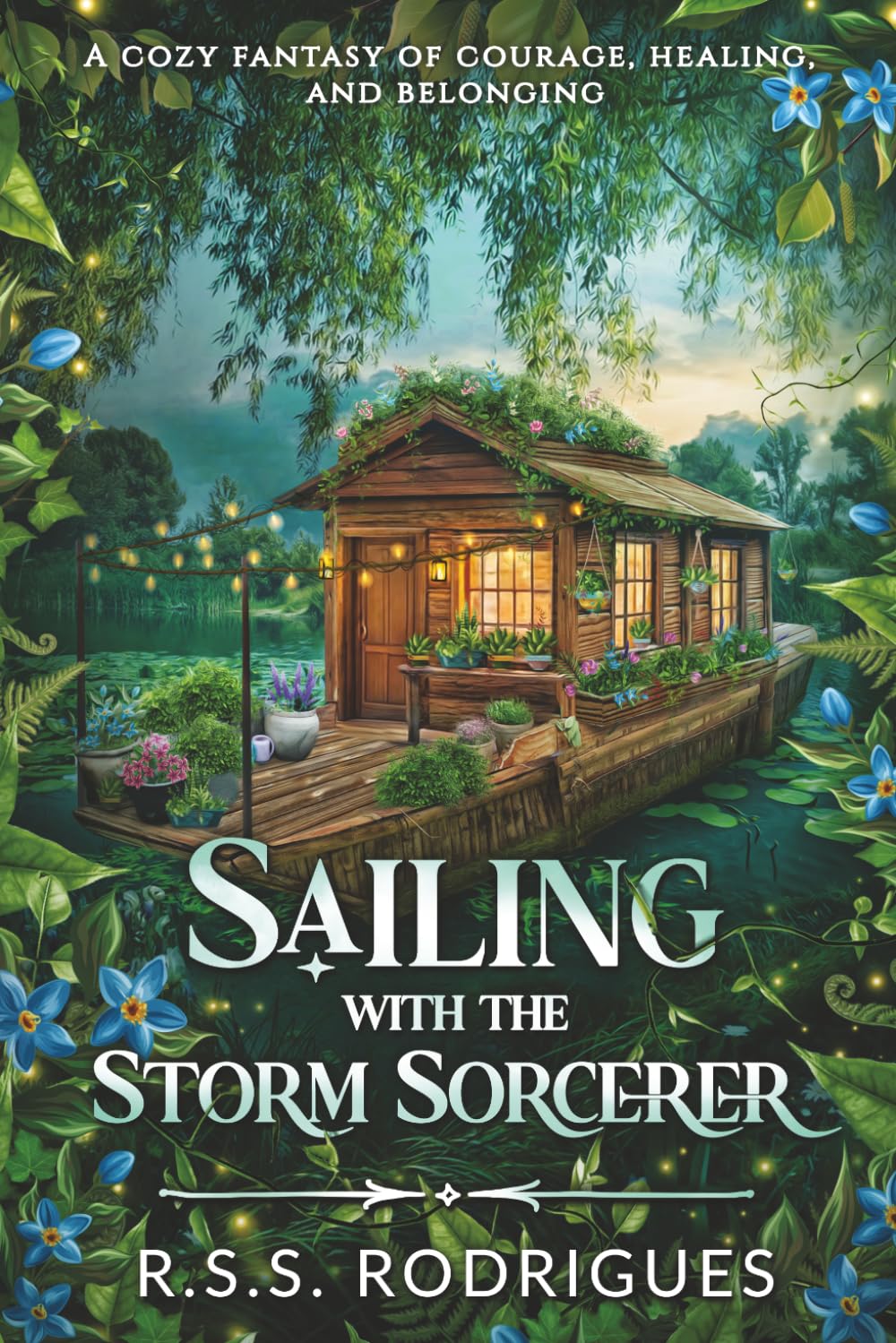
Despite being called the Cloud-Maker, Nuvem’s rain spells almost never work. He lives quietly on a garden-raft along the Whisperbend River, helping where he can, and trying not to believe the whispers that say he simply isn’t very good at magic. Then the rain begins.
After Nuvem uncovers an ancient relic in the marshlands, the river rises. Strange winged Watchers take to the skies, and secrets buried beneath the bog begin to stir. The people of Silverfern Hollow adapt with cheer and warmth, but something old has awakened, and it seems to be following him. Why does the rain answer Nuvem now, when it never did before? Why do the spirits of the river watch his every step? And why do forgotten voices call him Keeper?
At his side are Ludovic, a merchant and scholar who sees worth where Nuvem sees only doubt, and Andy, his sharp-tongued axolotl familiar. Together, they set out into the marshlands in search of answers. There, among mushroom circles and lost villages caught between moments, he understands that magic does not always come from power. Sometimes, it comes from care.
Reviewed: June 27th, 2026 Released: March 30th, 2026 Genre: Urban Fantasy
Magic is real, demons walk the earth, and Max’s brother is dead.
Max Asher, Jewish mystic and private-eye, never thought he’d be coming back to his home town to bury his twin brother, Solomon. He definitely never thought the funeral would turn into a case, but when Sol’s widow Gabby asks him to investigate the cause of death, “Uncle Max” is on the job.
When Max kicks the demon’s nest, he uncovers a conspiracy that forces him to reevaluate everything he thought he knew about his brother. Unfamiliar local politics blur the line between the supernatural and the mundane, and soon, fighting for justice becomes dangerously literal. If Max can uncover the murderer, he might just save his brother’s soul—but if he can’t, he’ll fall victim to the same deadly fate.
Putting the past to rest is going to take more than a shovel full of dirt.
It’s time to meet Historical Fiction author, Lisajoy Sachs. I’m excited to talk to Lisajoy about how her family history inspired her book.
Helen: Welcome, LisaJoy. It’s great to have the opportunity to talk to you about writing journey. Thank you for joining me today. Tell us about your latest book.
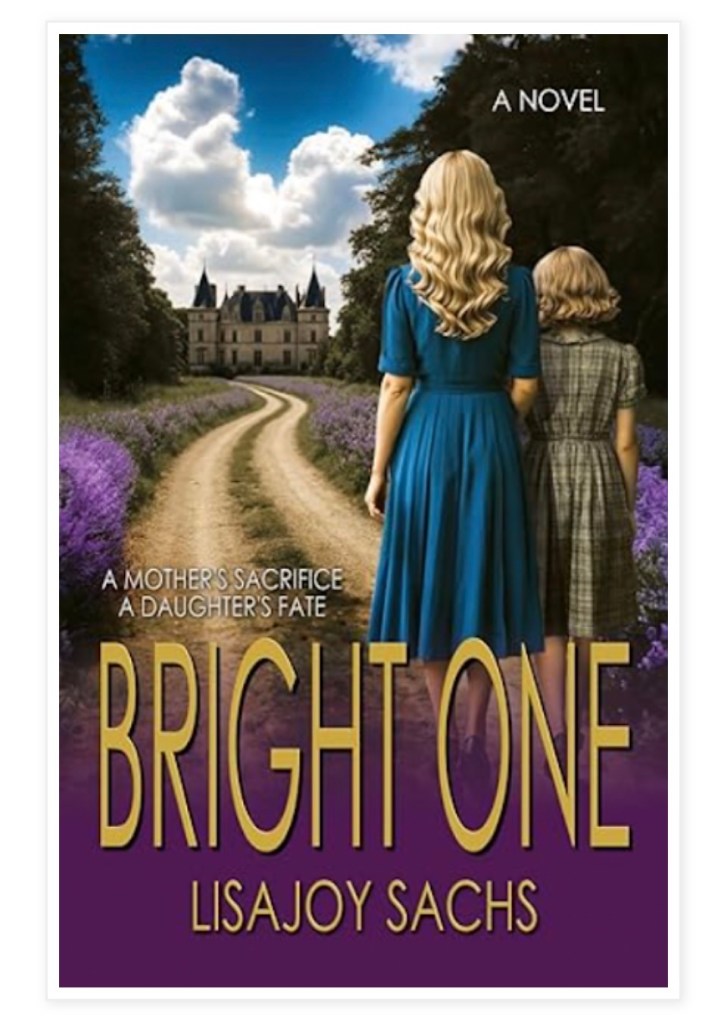
Lisajoy: Bright One is a historical novel based on true events, following a mother and daughter in Romania during a time of rising uncertainty and danger. At its heart, it is the story of Jetti and her young daughter, Berta, whose bond is tested as the world around them begins to shift. Set against the backdrop of pre-war Eastern Europe, the novel explores love, resilience, identity, and the quiet strength it takes to protect one’s child when everything familiar begins to unravel.
Helen: With such deep emotional themes, how did you come up with the cover design?
Lisajoy : The cover features my great-grandmother, Jetti Finkelthal, and her daughter Berta, my grandmother, standing at the end of the driveway of the mansion where they once lived. They are turned toward the house, not facing the viewer, which makes the moment feel both intimate and distant.
This image captures a pivotal emotional truth at the center of the story: the moment before departure. It symbolizes Berta leaving behind the only home she has ever known, along with the safety, innocence, and stability it once represented. The mansion stands not just as a place, but as a memory, something already beginning to slip into the past.
Helen: And how did you come up with the title?
Lisajoy: The title Bright One came to me during the research process, while I was translating family letters and historical documents. In that work, I discovered that the name Berta, in High German, translates to “Bright One.”
That moment felt significant. It wasn’t just a linguistic detail, it captured something essential about her spirit and her role within the story. The title reflects both who she is and what she represents: light, resilience, and endurance in the face of darkness. From that point on, I knew it wasn’t just the title of one book, but the foundation for the entire series.
Helen: I know the characters are based on members of your family, but why did you decide to write this book?
Lisajoy: I wrote Bright One because it is part of my legacy. I don’t have children, and my sister doesn’t either, so I felt a deep responsibility to preserve my family’s story in a meaningful, lasting way.
This book is how I carry their voices forward. It ensures that the lives, struggles, and resilience of those who came before me are not forgotten. In many ways, it is something I am leaving behind, and a way for future readers to connect with their history, and for my family’s story to continue long after I’m gone.
Helen: That is a wonderful way to preserve your family history. Can you tell us a little more about your main protagonist?
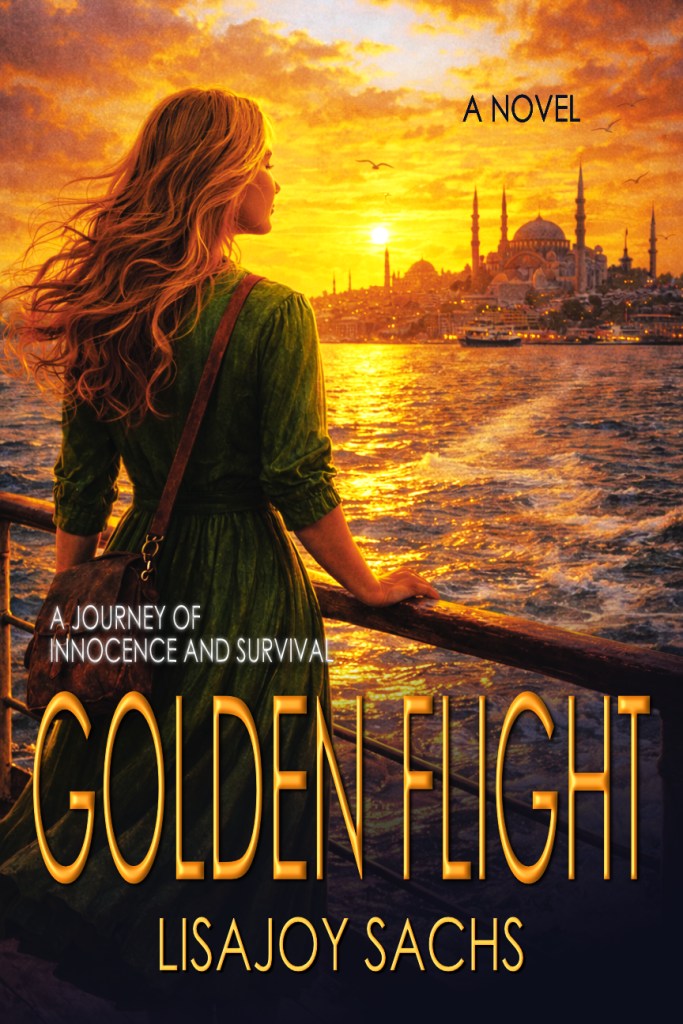
Lisajoy: In Bright One, Jetti is the central protagonist in the first part of the story, with her daughter Berta following closely behind in the second half. As the series continues into Golden Flight, Berta becomes the primary protagonist.
I chose both of them because they are the voices through which my family’s story in Romania before the outbreak of World War II needed to be told. Each of them carries a different perspective, and together they create a fuller, more intimate understanding of what that time was like.
As for the rest of the series, the focus will continue to evolve…but you’ll have to wait to discover whose voices come forward next.
Helen: I love the fact that there is the next episode of your family history coming. Why did you choose to write historical fiction?
Lisajoy: I write historical fiction because it allows me to honor real people and real events while also giving me the space to tell a complete story. Much of my work is rooted in the lives of family members who are no longer living. I only have fragments, like stories, letters, memories that were passed down to me, but not every detail.
Historical fiction gives me the ability to bridge those gaps thoughtfully, creatively, and respectfully. It allows me to stay true to the emotional and historical reality of their experiences, while imagining the moments that were never recorded, so their stories can be fully realized and shared.
Helen: You mentioned that you were writing the second book in the series, can you tell us more about it?
Lisajoy: I’m currently preparing Golden Flight, the second book in the Bright One series, for release this July. I’m in the final editing stage now, where the manuscript feels nearly ready for publication.
At the same time, I’m close to completing Aliyah Rising, the third book in the series, which I plan to publish in mid-2027. Beyond that, the full arc of the story is already taking shape. I have three additional manuscripts completed—Folding Light, Restoring Hope, and Fading Night—that will follow, finalizing the six-book saga.
It’s incredibly meaningful for me to see the entire series unfolding, from the early stages of discovery to a fully realized, multi-book journey.
Helen: How did the idea for writing this series start?
Lisajoy: The ideas for my books began with something deeply personal. When my grandmother died in 2004, I inherited boxes of ephemera from her home. Inside, I found letters, documents, and photographs that revealed a story I had never known.
Through translating those materials, studying DNA records, and conducting historical research, I was able to piece together what happened to my great-grandmother and her siblings. She was one of nine children. As that story came into focus, the fragments I had learned over the years from living family members suddenly made sense.
What started as discovery became narrative. My books grow from the process of uncovering hidden histories and bringing them to life in a way that connects the past to the present.
Helen: You mentioned you had to translate a lot of material and records, but as your books are based on real life history, you must do a lot of research. How much time did you spend researching?
Lisajoy: That’s such a loaded question…because writing historical fiction requires an enormous amount of research. I spend a great deal of time reading, studying, and cross-referencing other sources to make sure I truly understand the world I’m writing about.
My process may not be traditional, since I don’t come from a formal writing background, but accuracy is incredibly important to me. I pay close attention to the details, everything from clothing and food to hairstyles and the social atmosphere of the time.
For me, those specifics are what bring the story to life and make it feel authentic. If the details are right, the reader can fully step into that world.
Helen: It must be so interesting finding out about your own history. Once you start, I imagine it can like going down a rabbit hole. What do you find is the most challenging part of writing?
Lisajoy: Editing without a question is the most challenging part of the process for me. It requires reading the manuscript over and over again, sometimes ten times or more before the final galley is due, and that can be incredibly grueling.
There’s a mental and emotional toll to that level of repetition. The more I read it, the more I begin to question it…every sentence, every choice…until I start to doubt whether it’s any good at all. It’s a difficult phase because it demands both precision and resilience. But once the book is finally published, there’s a sense of clarity and confidence that makes the entire process worthwhile.
Helen: Are you a Pantser or a Planner? Do you write free form, or do you have a framework you stick to?
Lisajoy: For most of the Bright One series—Bright One, Golden Flight, Aliyah Rising, Folding Light, and Fading Night—I was very much a Pantser. I start with an idea and let the story unfold naturally, writing intuitively and following where the narrative lead. My focus in those early drafts is to tell the story as honestly and vividly as possible.
Then, during the editing and proofreading stages, I shift gears. That’s when I go back and refine the work ensuring that the historical details are accurate and strengthening the emotional, cinematic quality of my storytelling.
Restoring Hope was different. Because I had the opportunity to interview the protagonist in person, I worked from a loose outline. It required a more structured approach to stay true to the real-life events while still capturing the sense of adventure and depth the story deserved.
Helen: How do you fit your writing into your day job?
Lisajoy: For me, it comes down to consistency and making writing a daily priority. I dedicate a small part of each day just for writing, even 15 minutes, which ultimately turns into more once I start writing, and I stick to it.
Even when life gets busy, having that set time keeps me connected to the work and ensures steady progress. It doesn’t have to be hours at a time; what matters most is showing up every day and committing to the process.
Helen: There are many hidden joys in the writing journey. What is the best thing that has happened to you since you began writing?
Lisajoy: The most meaningful part of this journey has been how much closer I’ve become to my family. Through writing, I’ve uncovered stories about my parents and their past that I might never have known otherwise. It’s deepened my understanding of where I come from in a very personal way.
At the same time, I’ve been incredibly moved by how readers connect to my work. Many have reached out to share their own family histories and experiences, and in some cases, I’ve been able to weave elements of those stories into my books. That exchange, between past and present, between my story and theirs, has been one of the most rewarding aspects of writing.
Helen: What is the most useful piece of writing advice you’ve received, and by whom?
Lisajoy: The most valuable advice I received came from a ghostwriter named Marilyn, whom I met at an art opening a few years ago, when I had only completed a few chapters. She told me to write 600 words every morning, first thing, for three months, promising that I would have a finished manuscript by the end of it.
I took her advice seriously, and it worked. At the time, I wasn’t working, which allowed me to dedicate several hours each day to writing. What started as a disciplined daily routine quickly became something much bigger. I ended up completing the first four books in just three months.
That experience was transformative. It showed me the power of consistency and immersion, and how giving yourself the time and structure to write can unlock far more than you expect.
Helen: Writing everyday is a great habit to cultivate. Most authors are also great readers. What is your favourite book?
Lisajoy: My favorite book is The Pillars of the Earth by Ken Follett. I’ve read it at least six times, and each time I find something new to appreciate.
I’m drawn to the characters, the richness of the story, and the incredible level of detail. It introduced me to a period of history I knew very little about, and I love how fully immersive it is. I’ve always been captivated by epic novels. There’s something deeply satisfying about getting lost in a world that unfolds inside a thousand page novel.
In fact, I’m always a little sad when I reach the final chapter of a book like that. I even own a first edition copy from 1989, which makes it feel even more special to me.
Helen: Do you have any advice to share with aspiring writers?
Lisajoy: First, I would pass along the same advice Marilyn gave me: write consistently. Set a daily goal, something manageable, like 600 words, and commit to it. That kind of discipline builds momentum and turns an idea into a finished manuscript.
Second, don’t give up on your dream. So many people want to write a book, but very few actually follow through and see it published. The difference often comes down to persistence.
Third, there will be moments when it feels hard, and times when you question yourself or feel like an imposter. That’s completely normal, because it is part of the process. Writing isn’t easy, but it is deeply rewarding when you finally hold your finished work in your hands.
Helen: Thank you so much for joining me today. It’s been so interesting to hear about your books and your writing process. I wish you every success with your series. Just to finish, is there anything else you would like to share?
Lisajoy: One of the most unexpected and meaningful parts of this journey has been how the past seems to reveal itself when you’re ready to listen. What began as a few boxes of old letters and photographs turned into a much larger story, one that had been waiting to be uncovered.
There were moments during my research when small details such as names, places, and fragments of family stories suddenly connected in ways that felt almost serendipitous. It was as if my ancestors were guiding me, piece by piece, toward understanding.
And now, what started as something deeply personal has become something shared. Hearing from readers who see their own families reflected in these pages has been incredibly moving. It reminds me that while the details of our histories may differ, the emotions of love, loss, and resilience are universal.
About the Author – LisaJ=joy Sachs
Inspired by true events, family letters, photographs, and oral histories, the Bright One series follows the lives of the author’s great-grandmother and grandmother as they struggle to survive the rising dangers of antisemitism in prewar Europe.
Beginning in Czernowitz, Romania, Bright One tells the story of Jetti Finkelthal, a young Jewish mother determined to protect her daughter as the world around them begins to unravel. Golden Flight continues the journey through the eyes of fifteen-year-old Berta, whose forced marriage and desperate migration across Europe and Istanbul become a haunting coming-of-age story shaped by exile, identity loss, and survival.
Rich in historical detail and emotional depth, the series explores resilience, family bonds, generational trauma, and the quiet courage required to endure history’s darkest moments.
As an Amazon Associate I may benefit from purchases made using these links.
If you enjoy epic fantasy then check out my award winning Sentinal series, which is now complete. If you like fantasy books with a touch of romance then you will love my SoulMist series, start with SoulBreather. Prefer Dystopian Science Fantasy? Then try Harmony. Start the adventure and stay for the journey.
Sign up to my newsletter and download a free novella called Sentinals Stirring and get notified when my next books are published.
By clicking the sign up button above, you agree to share your email address with the site owner and the newsletter platform provider to receive marketing, updates, and other emails from the site owner. Use the unsubscribe link in those emails to opt out at any time.
By signing up to my newsletter, you agree to receive commercial information from Helen Garraway, located at 61 Bridge St, Kingston, Hertfordshire, UK (Data Administrator). You can withdraw your consent at any time. The data will be processed until the consent is withdrawn.
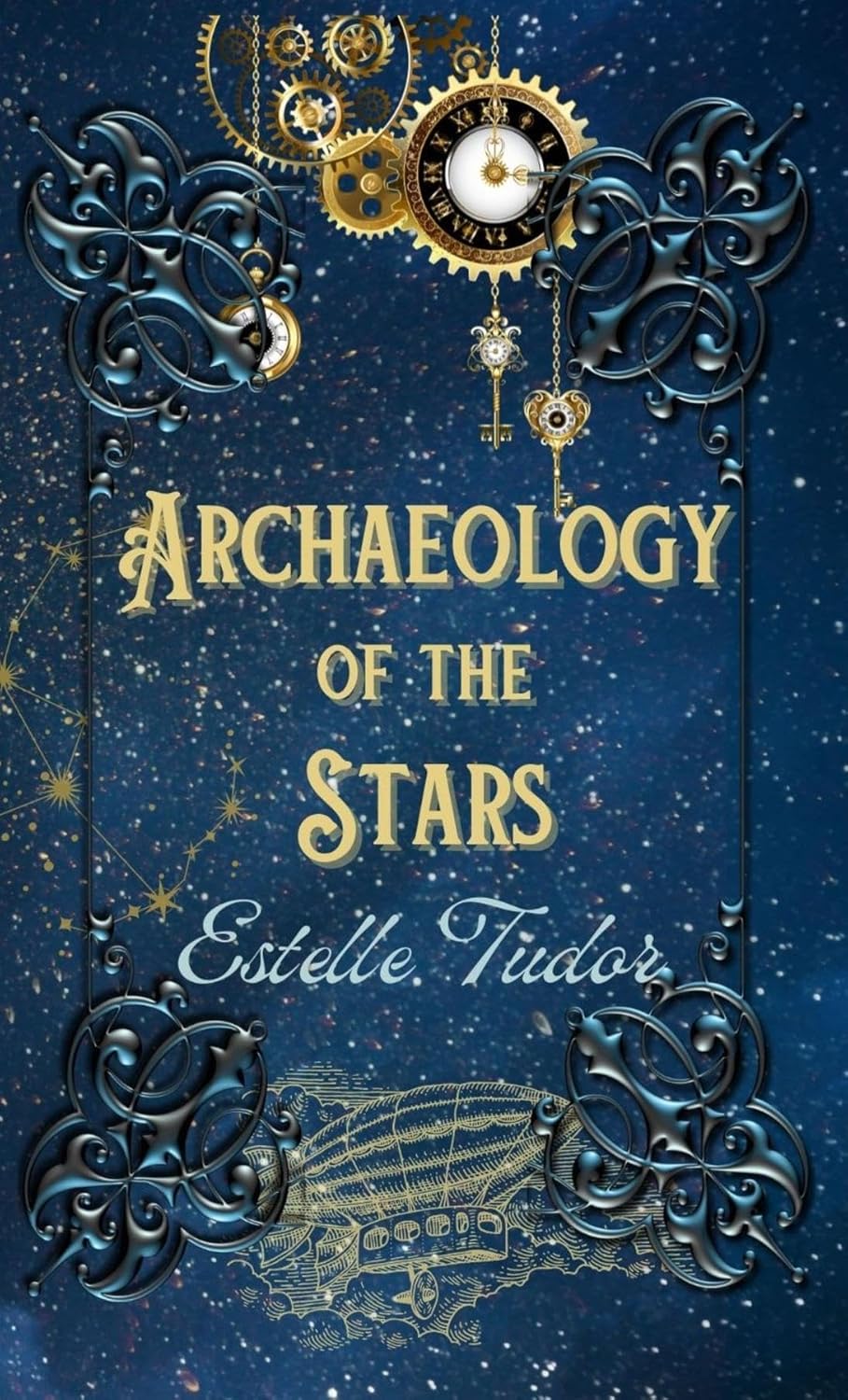
Reviewed: June 16th, 2026 Released: July 15th, 2025 Genre: Steampunk Fantasy
Following her parents’ disappearance, Gwyndolyn Carstairs dreams of joining the hallowed halls of the Astro-Archaeology Guild just like they did. But when the map she painstakingly and diligently plotted goes missing-and with it all hopes of presenting to the Guild-she sees everything she longed for evaporate.
Realising there is someone with the temerity to enter her locked office, she follows her erstwhile colleague, Dr Nicodemus Aster, to the airship dock. There, a sudden storm thrusts her into an unwanted quest, and far away from everything she has ever known.
When adventure and academia collide, fuelled by secrets and lies, Gwyndolyn will need to rely on her deepest instincts and inner strength. Only then will she discover who to trust-and uncover the mystery of her parents’ vanishing-if she is to obtain what her heart desires the most.